
Learning and Taking Responsibility at Gutshof Wellenbad
Maria Montessori’s Erdkinder Approach — A Plan of Study and Work
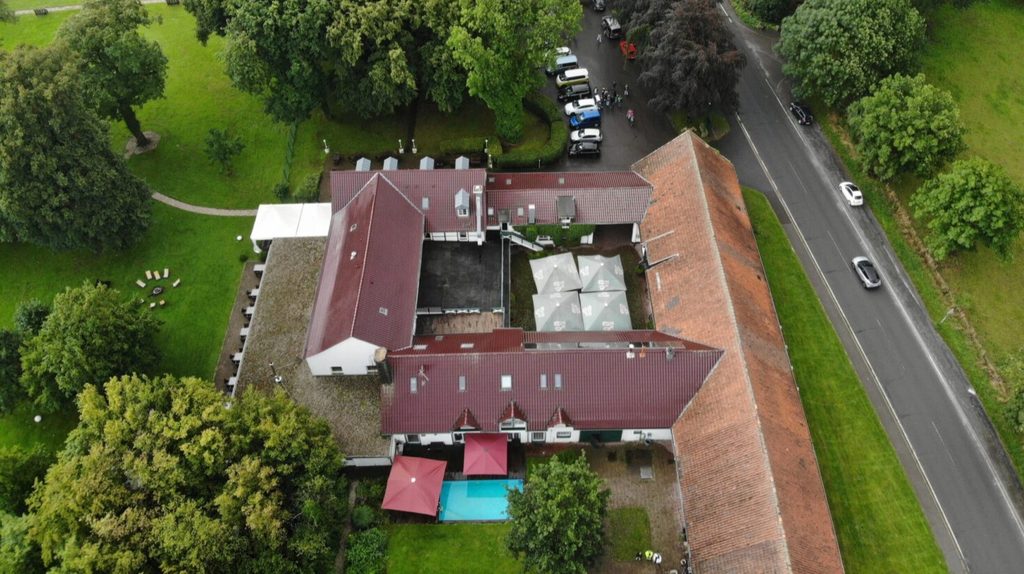
At Gutshof Wellenbad, young people learn where everyday life happens: in the garden, in the kitchen, in the café, in the workshop and within the community. Here, they grow into adulthood through meaningful, real-world work. They experience genuine community life.
“This will coincide with the age of physical puberty. The child, whose principal task should be to develop their own individuality to the full, stands on the threshold of adult life. I would like to see children leave the confines of their homes and set out for the mountains, the sea or the countryside, where they can be in contact with nature and become familiar with a range of practical activities.”
Maria Montessori 1941 (from "Von der Kindheit zur Jugend")
Four Pillars
01 · Production and Exchange Creating real value in practice: from sowing seeds and making products to selling them. Young people experience the entire economic cycle and take responsibility for deciding how the income is used within the community.
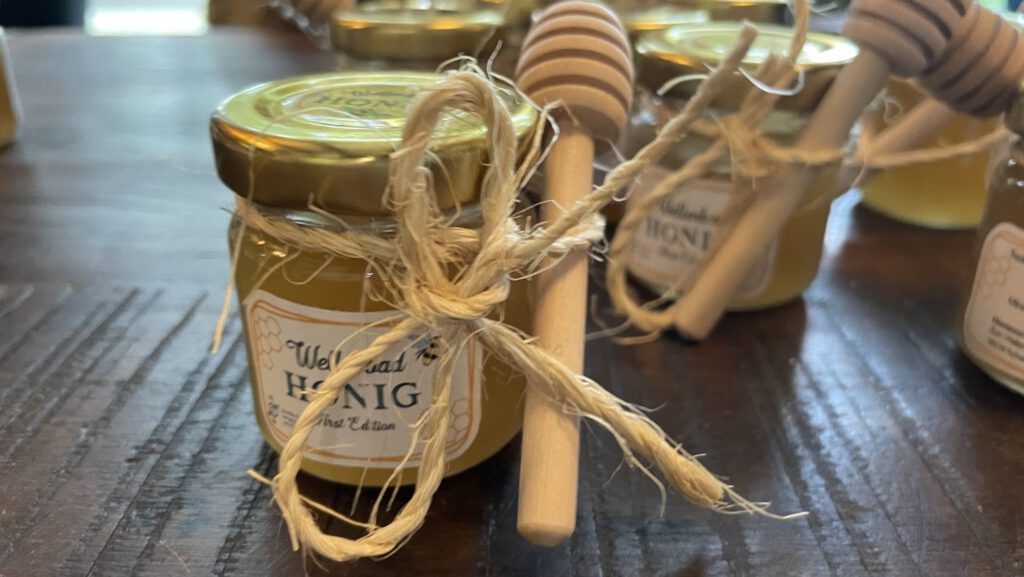
Honey: Tree & Flower, Hive, Customer
02 · Responsibility A thriving community depends on reliability. Everyone contributes actively, takes responsibility and helps shape both community life and the learning environment.
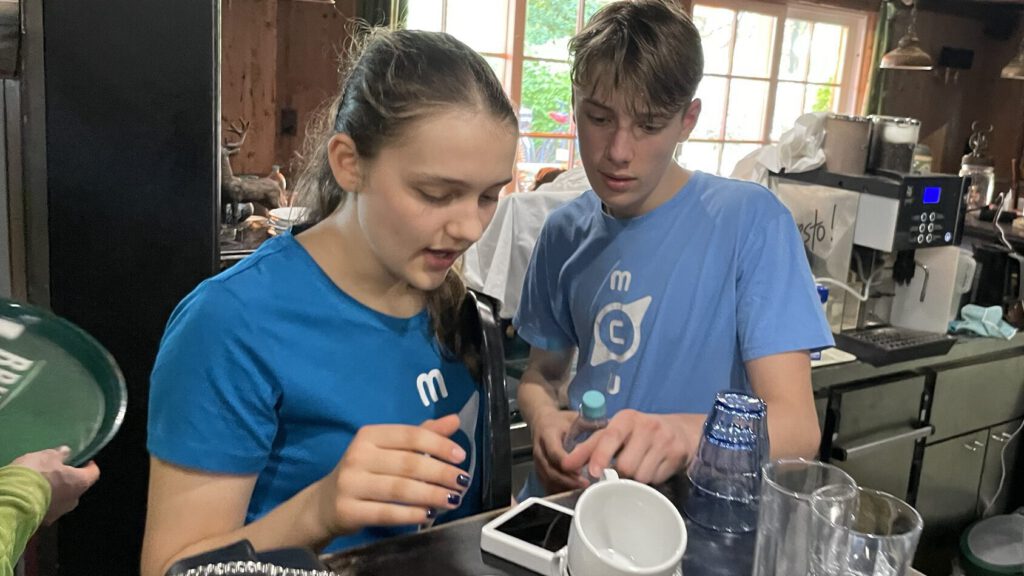
Café: Service, Finance, Hygiene
03 · Self-Expression Whether in the workshop, on stage, through media production, foreign languages or creative cooking, creative activities are an integral part of everyday life and offer space for personal expression.
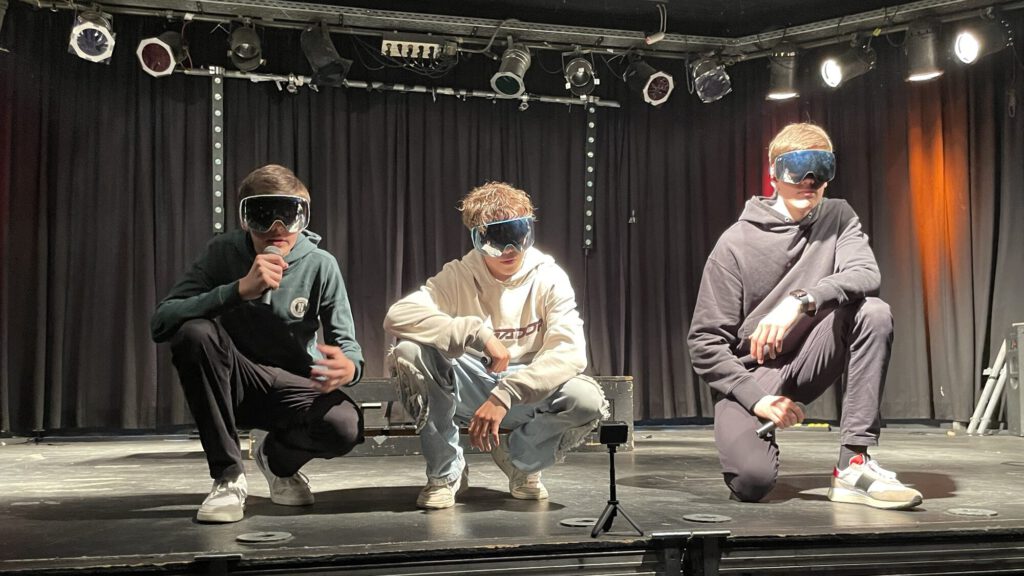
Musical: Self-Expression, Creativity, Audience
04 · Independence From planning their own week to writing applications, young people gradually develop the ability to manage their lives responsibly, supported by their mentors.
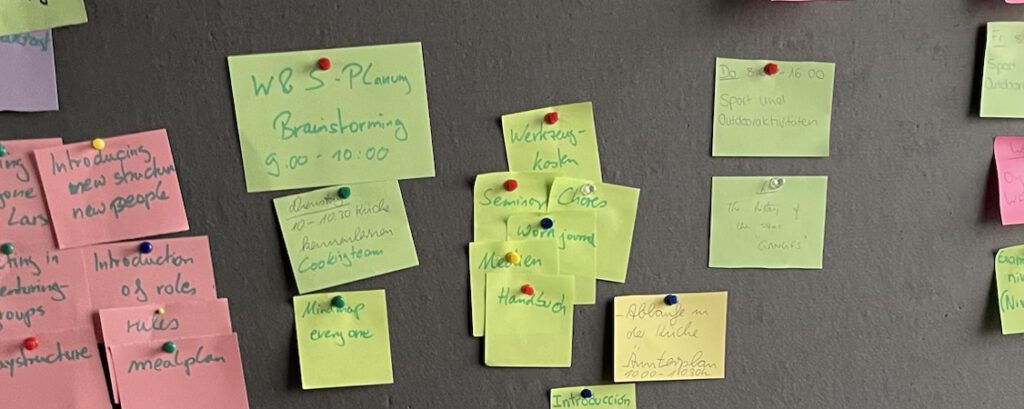
Planning: Thinking Ahead, Ideas, Realization
The Erdkinder Approach
The Erdkinder approach describes a learning environment where young people grow into adulthood through meaningful work within a community. Production, responsibility, and independence in practice take centre stage — rather than teacher-led instruction.
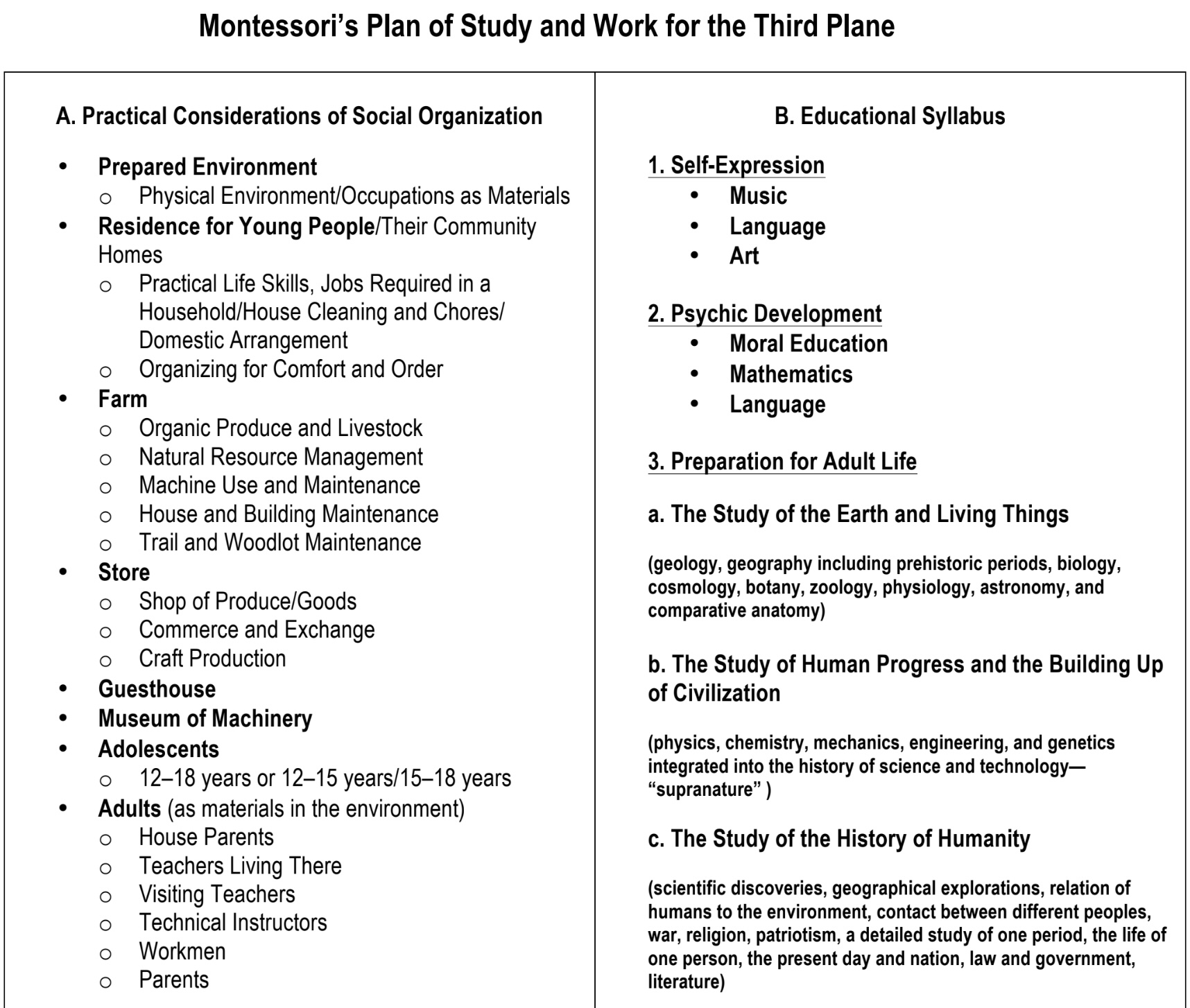
How Learning Works at the Gutshof Wellenbad Campus
A structured daily routine brings together practical work, academic learning and reflection.
01 · Work and Study in Three Phases Extended periods of practical work, academic study and reflection form interconnected parts of a structured day.
02 · Differentiated Learning Regular group meetings, individual work plans, portfolios and bullet journals help young people track their learning and take ownership of it.
03 · Small Groups and Conversations Learning takes place in small groups, supported by regular conversations about personal development and feedback.
04 · Individual Mentoring Every young person has a dedicated mentor.
The Daily Routine
| 1. Morning Meeting | 2. Work Cycle Community Work Areas | and/or 3. Study Period Academic Subjects | 4. Reflection Group Meeting |
One Community, Many Areas of Responsibility
Gutshof Wellenbad operates like a small enterprise. Each area is led by young community managers, with real tasks, budgets and decisions.
| Area | Responsibilities |
|---|---|
| Kitchen and Household | Planning, shopping, cooking and keeping shared spaces clean and organised together. |
| Garden | Growing, tending and harvesting — from seed to plate. |
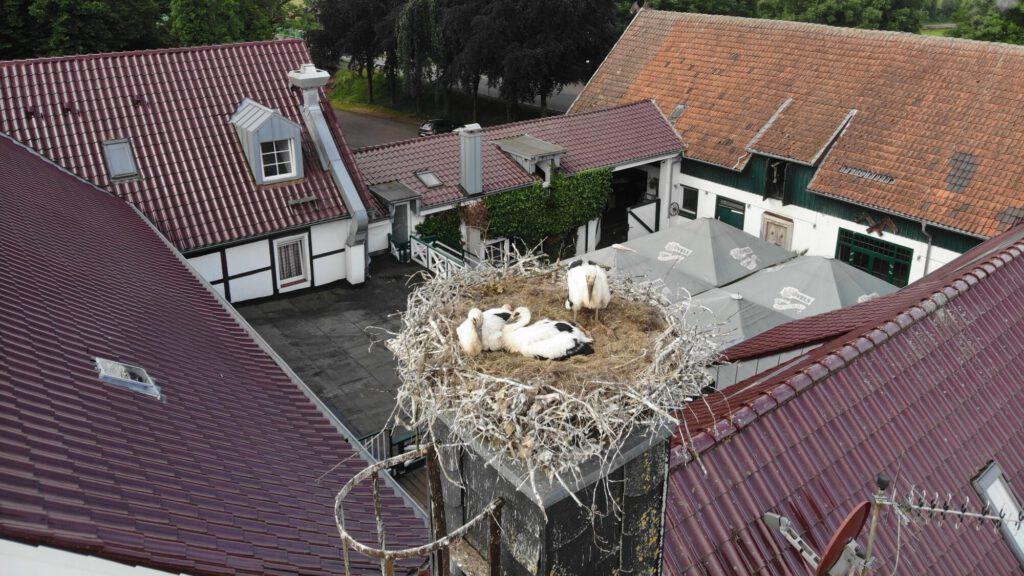
| Animals | Caring for or observing bees, storks and other animals. |
| Shop | Developing and selling our own products, for example at our Advent Magic event. |
| Café | Welcoming and serving guests, for example at the Storchen-Café. |
| Events and Guests | Planning and running Advent Magic, Global Village and other events. |
| Art Studio | Painting, creating and exhibiting artwork. |
| Workshop | Building and renovating — from making shelves to creating an opening in a wall. |
| Finance and Administration | Managing cash, purchasing and cost calculations. |
| Communication and Marketing | Social media and posters. |
| Sports and Activities | Physical activity and shared outings. |
| Technology and Facilities | Networks, building systems, audio and video. |
Academic Learning
Alongside practical work, young people have regular lessons in languages and other subjects. Experiences from the garden, shop and workshop are explored in lessons — for example, through cost calculations in mathematics or studying bees in biology.
Work Placements, Career Preparation and Qualifications
Work Placements: Work placement dates are flexible and planned individually.
Careers Guidance and Application Support: We support young people in exploring career options, preparing applications and practising for interviews.
Mittlerer Schulabschluss — Intermediate School-Leaving Certificate: After Grade 10, with participation in North Rhine-Westphalia’s central examinations.
Abitur and International Baccalaureate Diploma: Pathways to university entrance qualifications.
Presentations and Work Placements · Qualifications · IB Diploma Programme
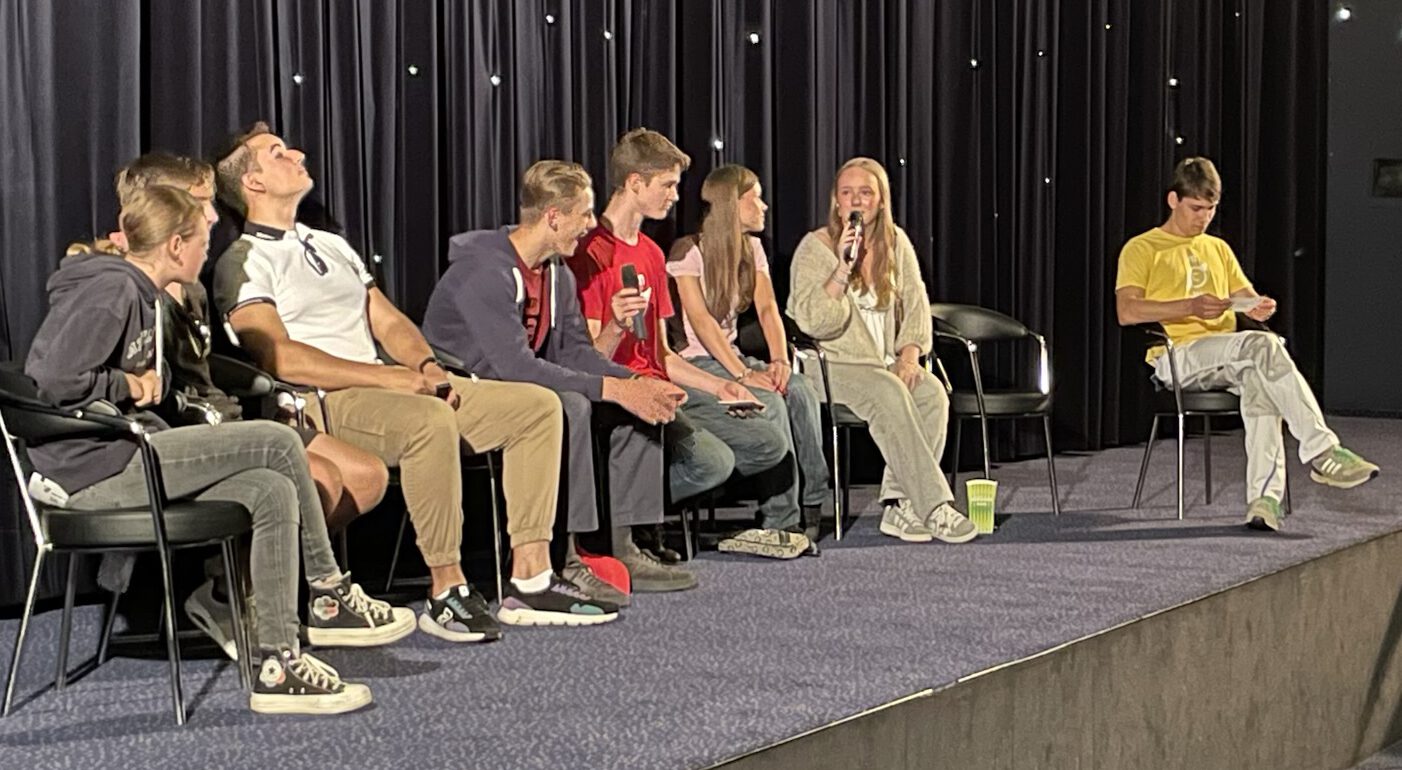
Panel Discussion: Opinions, Presentation, Arguments
Recent Comments